





Vape Tax 2026 - Costs and Implications For You
In 2024, Jeremy Hunt, the Conservative Chancellor at the time, delivered his Spring Budget and revealed plans for a future vape tax effective from 1st October 2026.
A 12-week consultation followed where vape manufacturers, consumers, and retailers voiced their opinions. In the summer of 2024 the Labour government came in to power and pushed ahead with the planned tax on e-liquids.
Along with the UK's ban on disposable vapes, the vape tax symbolises a range of changes for vapers.
At 88vape, we want to keep you in the loop. We’ll break down what this tax is all about, how it might impact your wallet, and what it means for the future of vaping in the UK.
Let’s get into the details and ensure you’re prepared for what’s coming.
TL;DR: A summary of the 2026 vape tax
-
The UK vape tax comes into effect on 1st October 2026, with a flat rate of £2.20 per 10ml of e-liquid (or 22p per 1ml for smaller containers), plus the standard VAT rate of 20%.
-
All e-liquids - nicotine-containing and nicotine-free- will face the same flat tax rate.
-
Pre-filled pods will face the smallest price increase due to their smaller size, so a 2ml pod will have a duty of 44p.
-
While the tax will increase your costs, vaping will still be much cheaper than smoking in 2026.
-
Choosing mouth-to-lung vaping styles and nicotine salts can help reduce e-liquid use and keep costs down.
-
You can stay updated with the latest vaping news by following the 88Vape blog.
What is the 2026 vape tax?
The Conservative government initially announced a future tax on vapes in the 2024 Spring Budget. Jeremy Hunt stated that the main intention of the tax would be to discourage non-smokers from vaping and curb youth vaping in the UK.
A 12-week consultation period followed which included a proposed tiered vape tax system where higher strength nicotine products would attract a higher rate of tax.
When the Labour government came in to power in July 2024, the proposed tiered vape tax was replaced by a flat rate vape tax instead.
Announced in the 2024 Autumn Budget, Rachel Reeves stated that the primary goal of both the disposable vapes ban and vape tax is to dissuade non-smokers and young people from taking up vaping, while still making vape products more accessible than cigarettes.
Why is the new vape tax coming into effect?
Aside from controlling the sale of vaping products and reducing youth rates, further objectives were outlined in the Vaping Products Duty Consultation, including:
-
Stopping non-smokers from taking up vaping or making it a less attractive prospect.
-
Encouraging vape users to choose lower nicotine strengths or transition to nicotine-free liquids.
-
The ability to raise revenue for quit-smoking programmes.
-
Compelling manufacturers to lower the nicotine content in their products.
-
Ensuring the tax on vaping doesn't encourage ex-smokers to return to cigarettes.
The tax aligns with the Tobacco and Vapes Bill, which aims to create a smoke-free generation by 2030.
How will the UK vape tax work?
Currently, vape products in the UK don't face a specific tax rate, meaning they fall under the standard 20% VAT rate. But this will change in October 2026 when the Vaping Products Duty of £2.20 (+VAT) per 10ml becomes active.
The government previously introduced a higher tax on cigarettes and rolling tobacco as part of Tobacco Harm Reduction strategies (Smokefree Action Coalition).
The initial proposed tiered structure would mean that vapers paid different tax rates based on their chosen vape juice and strength. For example:
-
Every 10ml of nicotine-free e-liquids would increase by £1.00.
-
Every 10ml of vape juices with nicotine strengths up to 10.9mg would increase by £2.00.
-
Every 10ml of e-liquids with nicotine strengths over 11mg would increase by £3.00.
The new UK vape tax rates
Concerns regarding the administration of the tiered tax and its potential impact on smokers transitioning to vaping led the Labour government to introduce a flat rate tax instead. On 1st October 2026, every 1ml of e-liquid will increase by 22p.
The amount you'll spend depends on your preferred brand of vape juice and the bottle's size. Here are the average potential prices based on popular vape liquid products:
|
Bottle Size |
Current Price (inc VAT) |
Tax Increase |
Future Price (inc VAT) |
|
Budget 10ml |
£1.20 |
£2.20 |
£3.86 |
|
Mid-Range 10ml |
£3.50 |
£2.20 |
£6.14 |
|
Budget 50ml |
£4.00 |
£11.00 |
£17.20 |
|
Mid-Range 50ml |
£10.00 |
£11.00 |
£23.20 |
|
100ml E-Liquid |
£13.00 |
£22.00 |
£39.40 |
|
Pre-Filled Pods (2 x 2ml) |
£5.00 |
£1.00 |
£6.20 |
As you can see, opting for high-quality budget vape juices will have the lowest impact on your wallet, but shortfills will face the steepest increases due to their size.
Will vaping still be more affordable than smoking?
A key concern voiced by vape manufacturers and consumers is whether the vape tax will dissuade current smokers from transitioning to vaping.
Despite research showing that vaping is 95% less harmful than smoking, the UK government's plan to significantly increase the tax on e-liquids means that they're less accessible.
However, with tobacco duty set to increase by £2.20 per 100 cigarettes or 50g of tobacco, vaping costs will still be significantly lower than smoking.
It's generally accepted that a 10ml vape juice containing 20mg of nicotine is equivalent to 100 cigarettes, though lower strengths will equate to fewer cigarettes.
Let's take a look at how much vaping and smoking will be in 2026:
The average cost of smoking in 2026
In 2025, a pack of 20 cigarettes costs £16.45, but premium brands can cost £20. With the price increase of £2.20 per 100 cigarettes, each 20-pack will increase by £0.44 in October 2026.
According to the Office for National Statistics, the average smoker consumes 3.5 packs a week, but heavy smokers usually get through at least 1.25 packs a day.
The average cost of vaping in 2026
The 2026 vape tax won't impact vape devices but only applies to e-liquids. Moderate vapers typically go through one 10ml bottle every two to five days, but heavy vapers may find that a 10ml bottle of e-liquid lasts up to two days.
However, it's also essential to factor in the costs of vape kits, pods, and coils.
Projected vaping vs smoking costs in 2026
|
Category |
Average Smoker |
Heavy Smoker (1.25 packs/day) |
Moderate Vaper |
Heavy Vaper |
|---|---|---|---|---|
|
Average Consumption |
3.5 packs per week |
8.75 packs per week |
10ml every 3 days (≈2.3 bottles/week) |
10ml every 2 days (≈3.5 bottles/week) |
|
2026 Price per Pack / Bottle |
Cigarettes: £16.89 (standard) – £20.44 (premium) |
Cigarettes: £16.89 – £20.44 |
10ml Budget: £3.86 10ml Mid-Range: £6.14 |
10ml Budget: £3.86 10ml Mid-Range: £6.14 |
|
Weekly Cost |
£59.12 to £71.54 |
£147.79 to £178.85 |
£8.78 to £14.12 |
£13.51 to £21.49 |
|
Annual Cost |
£3,073 to £3,719 |
£7,685 to £9,299 |
£457 to £735 |
£703 to £1,118 |
|
Other Costs |
None beyond cigarettes |
None beyond cigarettes |
Kits (£10–£60) + coils/pods (£5–£15/month) |
Same as moderate vaper |
As you can see, vaping will still be significantly cheaper than smoking, which means that adult smokers will benefit from a healthier lifestyle and a healthier bank balance by switching to vaping.
Which products are exempt from the UK Vape tax increase?
No vape juices will be exempt from the tax increase, and the flat rates will apply to both e-liquids with no nicotine content. However, vape devices won't be subject to tax increases, so vapers can save money on the kit and accessories like coils and pods.
Nicotine pouches are also still exempt from tax increases, because they're not classed as vaping products. However, this may change a little further down the road.
How to prepare for the new tax on vapes
Nobody wants to spend more money on their vaping products, but the new vaping duty will further restrict the sales of non-compliant e-liquids and illegal imports, which often contain ingredients like diacetyl, causing severe health issues in vapers.
However, higher prices might limit how many people choose vaping over smoking, potentially impacting the government's ambitious plans to be smoke-free by 2030 - but it's important to remember that vaping will still be significantly cheaper than smoking.
Choose a high-quality refillable vape kit or pod device
The UK disposable vapes ban was introduced to reduce underage vaping rates, and most people have experienced a smooth transition thanks to refillable vape kits and pre-filled pod devices.
Because the tax will apply to the e-liquid, pre-filled pods will face the lowest price increase, as most contain 2ml of vape juice. So, if you want to reduce the amount you vape and save money, pre-filled devices might be the more cost-effective solution.
A refillable device that lets you customise your vaping experience can also reduce the amount of e-liquid you use, as vaping at higher wattages consumes more vape juice.
Opt for mouth-to-lung vaping
The two main vaping styles are mouth-to-lung (MTL) and direct-to-lung (DTL). Most former smokers use the MTL vaping style as it replicates the smoking experience, while DTL (also known as sub-ohm vaping) produces larger vapour clouds.
The main drawback of DTL vaping is that the device uses a higher wattage, which drains e-liquid. When you choose mouth-to-lung vaping, each 10ml bottle will typically last longer, reducing costs.
Switch to nicotine salts
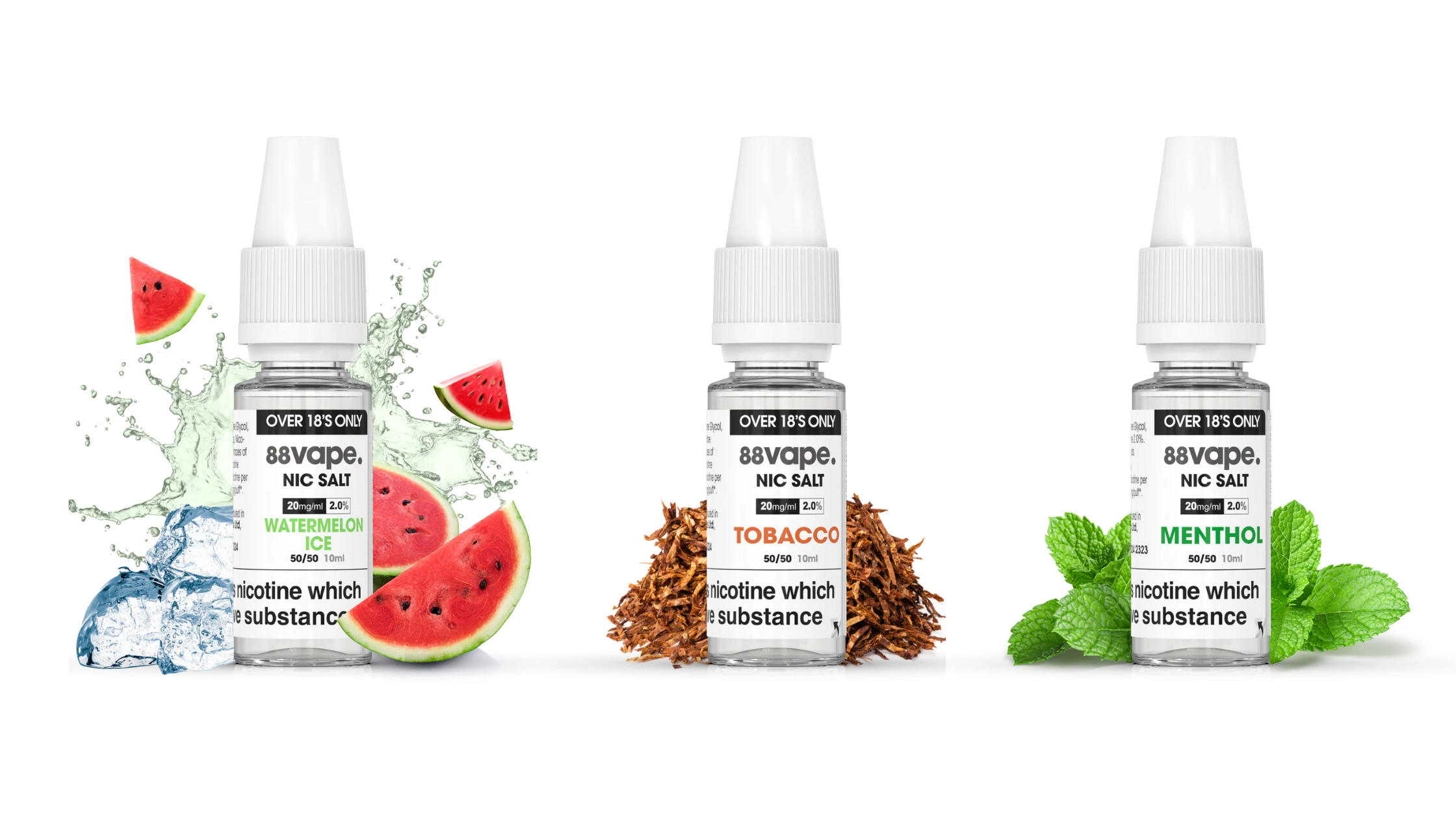
The flat rate vape duty tax applies to all vape juices, meaning you'll pay the increase on nicotine salt and freebase blends. While freebase nicotine has its benefits, nic salt e-liquids are popular because they provide a smoother throat hit and are absorbed into the bloodstream quickly.
Because nicotine salts can curb cravings quickly, vapers typically need to use less, which means that their consumption rates will decrease.
88Vape's stance on the vaping tax law
At 88Vape, we support smokers in successfully transitioning to vaping and reducing their risks of severe health conditions caused by cigarettes. Smoking is proving to be 95% more dangerous than vaping, and evidence from Public Health England supports e-cigarettes as a healthier alternative.
Our experts support public services and have strict procedures to ensure youths can't buy vape juices or devices through our website. We'll always try to keep our prices low and maintain strict quality control regulations.
While the proposed tax could increase the price of vape juices, it might also stop the sale of illegal vapes. Even if the tax does come into effect, our vape kits and e-liquids will still cost less than tobacco products.
If you have any questions about the 2026 vaping tax or would like advice on reducing your costs, please contact our vaping experts today.
FAQs
When will the UK vape tax start?
Rachel Reeves announced that the UK tax on vape juices will begin on October 1st 2026. The announcement came after government approval and a 12-week consultation.
How much will I spend on vape juice?
It depends on the brand you choose. For example, 88Vape offers high-quality 10ml e-liquids at £1.20 per bottle, while some brands charge up to £5.00 per bottle. The £2.20 price increase on each 10ml of e-liquid will increase your costs, but switching to a more affordable brand can save money.
Why are pre-filled pods affected by the vape tax?
The vape tax applies to e-liquid itself, not the bottle. So, even though pods are pre-filled with 2ml of vape juice, that 2ml will still be subject to tax increases.
Why is the government introducing the vape tax?
Despite the the reduced risks compared to smoking and its role in helping people move away from tobacco, Chancellor Rachel Reeves' budget announcement revealed that the tax increase is in place to reduce youth vaping rates and discourage non-smokers from starting vaping.
The tax increase will also raise money for initiatives to stop smoking. Despite this, the UK Vaping Industry Association outlined key concerns during the consultation, leading to the government agreeing to a flat rate of tax instead of the previous Conservative government's plan for tiered taxes.