





Vape Battery Safety: Charging, Storage & Warning Signs
The battery is one of the most important components of any vape device. Without it, you won't be able to charge the device or get your nicotine fix. While most modern lithium-ion batteries are safe, even minor errors can lead to complete failure.
In extreme cases, your battery can also cause a fire or severe injury. The good news is that taking some simple steps to understand and care for your battery can make a massive difference to your overall vaping experience.
We'll cover everything you need to know about vape batteries in this post.
How Do Vape Batteries Work?
The majority of vape devices use lithium-ion (Li-ion) or lithium-polymer (Li-Po) batteries, due to their compact size and seamless charging capabilities. The vape battery heats your e-liquid, producing the vapour you inhale.
A dead battery renders your vape kit useless, and a battery can turn it into a safety hazard. Most standard vape kits come with built-in batteries, including pods and pens. They're safer to handle, but once the battery's lifespan comes to an end, you'll need to replace the entire device.
Some vape mod kits come with external batteries. While external vape batteries can be more flexible, they also require more care.
How to Charge Your Vape Safely
The majority of e-cigarette battery safety issues stem from charging errors. Following some simple rules can prevent any issues. These include:
-
Using A Suitable Charger: It's best to use the charger and cable that came with your device, or check which options are manufacturer-recommended. While cheap chargers might seem like a good idea, they can carry safety risks.
-
Never Charge Overnight: Charging a vape overnight is one of the most common mistakes we see. It makes sense in theory because you can wake up to a fully charged vape, but leaving it plugged in overnight can put the battery cells under stress.
-
Avoid Extreme Temperatures: Lithium batteries don't perform well in extreme temperatures. For example, if you charge in a cold car or in the sunshine, it can lead to dangerous chemical reactions.
-
Try Not To Exceed 80%: Repeated full charges can actually cause the battery to wear down more quickly. We recommend maintaining a capacity of 20% to 80% when possible.
-
Check the Device: If your vape device shows any cracks or burns, never charge it. There could be underlying battery damage.
Storing Vape Batteries Safely
Whether you're using advanced vape kits with external battery terminals or a device with a built-in battery, you should watch how you store them. Even minor errors can cause hazards, including fires and explosions. Here are some vital storage tips:
-
Avoid Heat: Always store batteries and vape devices in a cool place away from direct sunlight. Even something as simple as leaving the device in the car during summer can expose it to dangerously high temperatures.
-
Don't Store Fully Charged Batteries: If you're storing an external or internal battery for an extended period, try to keep the battery at 40% to 50% capacity. A fully charged battery can suffer damage and reactions.
-
Get A Case: External vape batteries are prone to damage, which is why you should store them in a case at all times. A hard plastic case is cheap and can help you avoid replacing the battery.
-
Avoid Moisture: This one's a no-brainer, but it's worth mentioning. Electronics and moisture should never mix. Keep your vape device and battery dry at all times.
The Warning Signs of Lithium-Ion Battery Damage
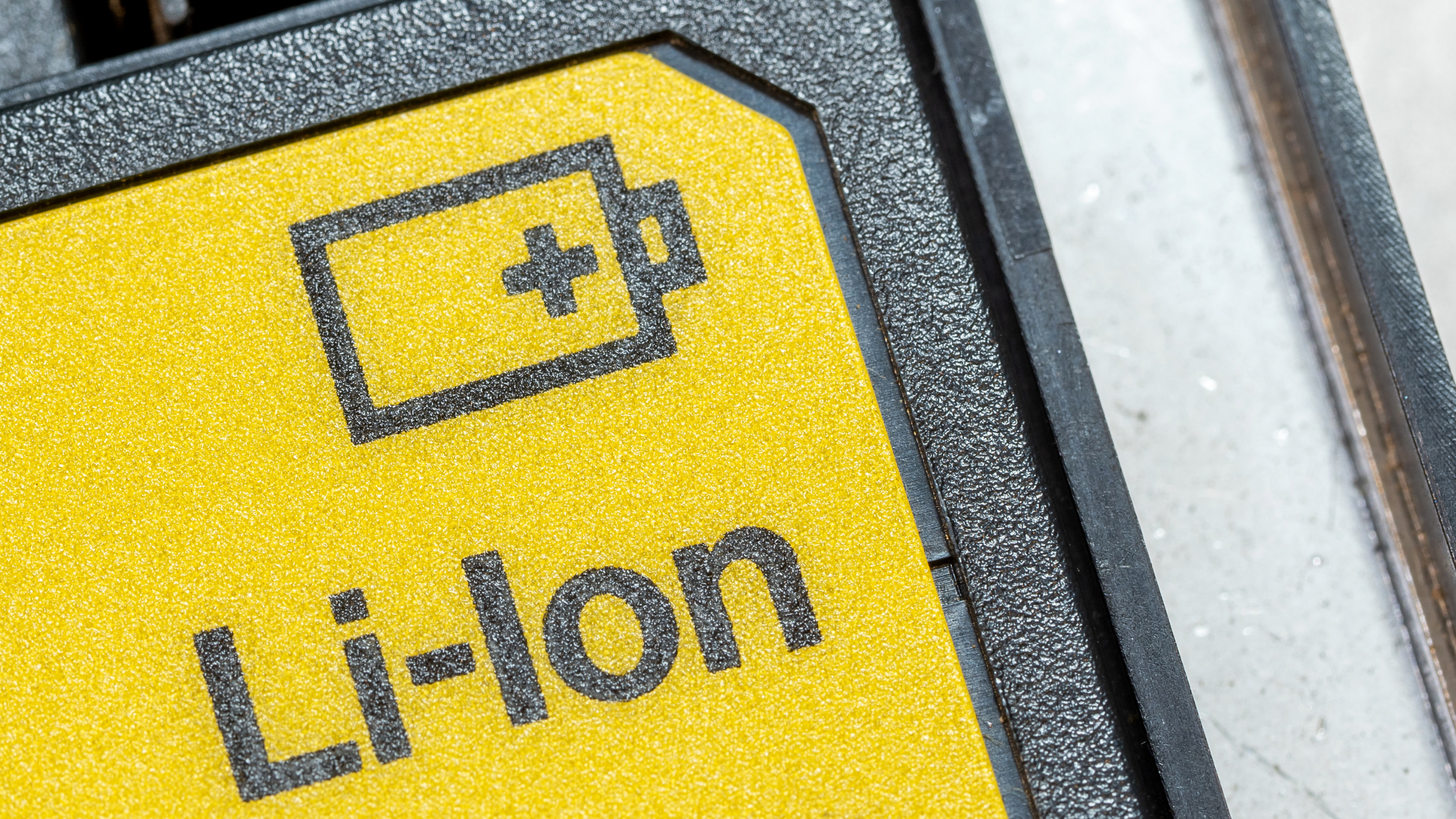
There are usually warning signs of battery failure, and knowing how to stop them can keep you safe. The most common signs include:
-
Swelling: Lithium-ion cells can swell when gas builds up inside them. This usually happens when the battery is nearing its natural end, you frequently overcharge the device, or the battery is damaged.
-
Excess Heat: It's natural for your vape device or batteries to get warm while charging, but if you notice the device is warm when it's not charging, that's usually a sign of damage.
-
Leaks: If you notice any liquid coming from the battery, stop using it immediately and dispose of it responsibly.
-
Low Battery Life: If you notice your device quickly losing charge, it usually means there's damage or the battery has aged.
-
Device Issues: Remember, the battery powers your entire device. So, you might not be able to see the battery, but certain issues can point to damage. These include error messages, the device randomly shutting down, and flickering.
Steps to Take if Something Goes Wrong
In most cases, you can notice issues with your battery before it poses safety threats. If it can't hold a charge for long or shows any of the above signs of damage, it's time to dispose of the battery and either get a new vape kit or use a spare.
Never throw a vape battery away in your general household waste. Some vape retailers will accept old batteries, or you can take the battery to your local recycling centre.
If the battery begins to spark, smoke, hiss, or catch fire, never throw water on it. Instead, make sure no one is around the battery, and take the device outside if possible. If there's a fire, it's usually best to call 999.
The Bottom Line
Lithium-ion batteries are some of the safest options available, but they still require proper care. While you can take steps to prolong battery life, most vape batteries can last for two to three years. At some point, you'll need to either replace the battery or buy a new device.
Luckily, when you shop with 88Vape, you can satisfy all your vaping needs while also saving money. Our extensive collection of rechargeable devices, including the 88Vape ProPod and Deluxe Pen, is high-quality without hefty price tags.
Plus, when you spend £15, we'll ship your order for free. If you have any questions or need advice about battery safety, please get in touch with us.